Buying an espresso machine is a great way to enjoy café-quality coffee at home while saving money on daily coffee runs. However, with so many options available, finding the best espresso machine for your needs can be challenging. From budget-friendly models to premium machines with built-in grinders, the right choice depends on your budget, preferred coffee drinks and how much control you want over the brewing process.
In this guide, we'll cover the most important features to consider when buying an espresso machine, helping you make an informed decision and find the right model for your home.
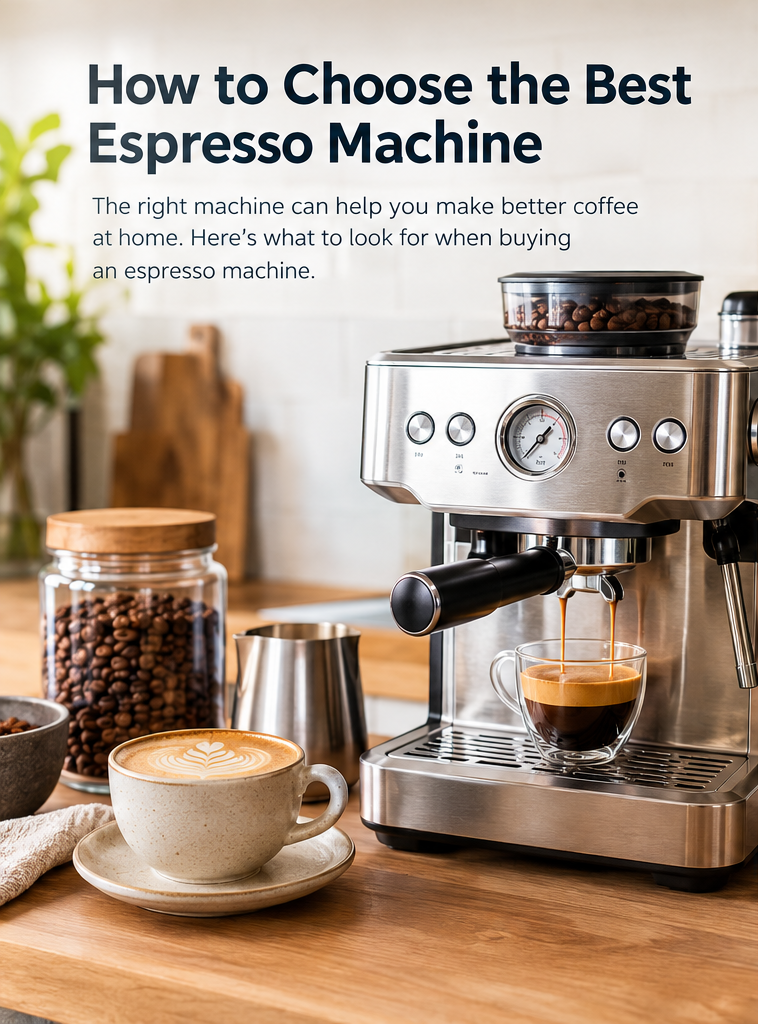
1. Choose the Right Type of Espresso Machine
The first step is deciding which type of espresso machine suits your lifestyle.
Manual espresso machines offer maximum control over the brewing process but require practice and skill. They are best suited to coffee enthusiasts who enjoy fine-tuning every shot.
Semi-automatic espresso machines are a popular choice for home use. They allow you to control the grinding, tamping and extraction process while handling water pressure automatically.
Automatic espresso machines simplify coffee preparation with programmable settings, making it easier to achieve consistent results.
Super-automatic espresso machines offer maximum convenience by combining features such as grinding, dosing and brewing in one appliance. Some models also prepare milk-based drinks automatically.
Consider how much time and effort you want to spend making coffee before deciding which type is right for you.
2. Look for a Quality Coffee Grinder
A good grinder is one of the most important factors in making great espresso. Freshly ground coffee generally delivers better flavour and aroma than pre-ground beans, and the correct grind size is essential for proper extraction.
Some espresso machines include a built-in grinder, which saves counter space and makes the brewing process more convenient. Other models require a separate grinder, giving you greater flexibility when choosing your equipment.
Look for a grinder with adjustable settings so you can fine-tune the grind size for different coffee beans. If you want an all-in-one solution, an espresso machine with a built-in burr grinder can be a practical option.
3. Check Pressure and Temperature Control
Consistent pressure and temperature are essential for extracting balanced espresso.
Many manufacturers advertise machines with 15 or 20 bars of pump pressure. However, higher advertised pressure does not necessarily produce better coffee. Espresso is typically extracted at around 9 bars of pressure at the coffee puck.
Temperature stability is equally important. A machine that maintains consistent brewing temperatures helps reduce variations between shots and makes it easier to achieve reliable results.
Features such as temperature control, pre-infusion and a pressure gauge can also be useful, particularly if you want greater control over your espresso.
4. Consider the Milk Frothing System
If you enjoy cappuccinos, lattes or flat whites, choose an espresso machine with a suitable milk frothing system.
A traditional steam wand gives you control over milk texture and allows you to create smooth microfoam for café-style drinks. However, it requires some practice to master.
Automatic milk frothers offer a simpler alternative, especially for beginners. They can reduce preparation time and make milk-based drinks easier to prepare consistently.
Before buying, check how easy the frothing system is to clean. Regular cleaning is essential for maintaining hygiene and preventing milk residue from building up.
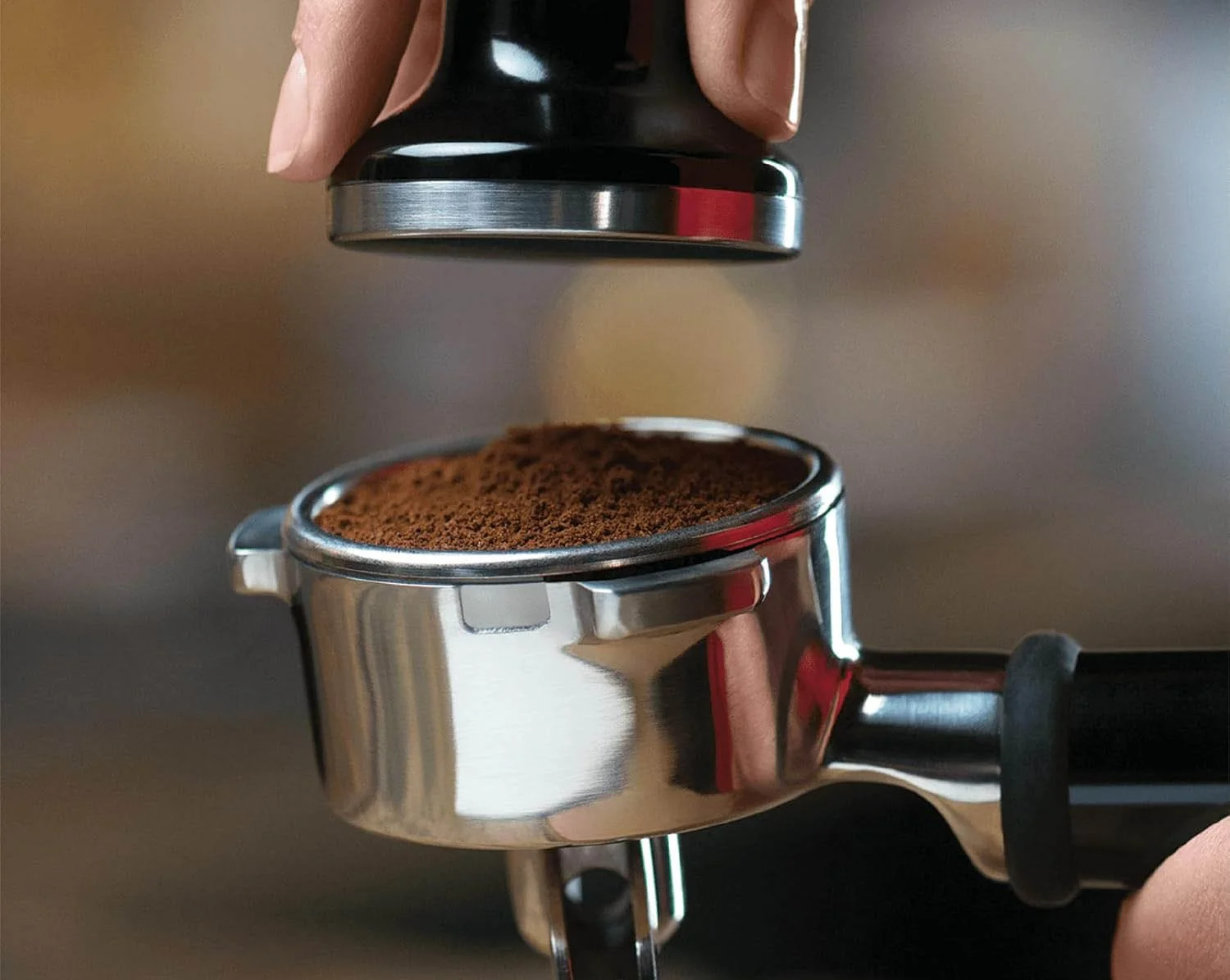
5. Evaluate Size, Design and Ease of Use
An espresso machine should fit comfortably into your kitchen and be easy to operate every day.
Measure your available counter space before purchasing, paying attention to the machine's height, width and depth. Remember to leave enough room to refill the water tank, add coffee beans and access removable components.
Useful design features include a removable water reservoir, an accessible drip tray, clearly labelled controls and a straightforward cleaning process.
Also consider heating time and how quickly the machine can prepare multiple drinks. These details can make a noticeable difference during busy mornings.
6. Compare Features and Build Quality
Modern espresso machines offer a wide range of features, but the most useful options depend on your coffee-making habits.
Look for programmable shot volumes, adjustable brewing settings and easy-to-use controls. A stainless steel exterior can provide a premium finish, although overall reliability depends on the quality of the machine's components and construction.
Reading customer reviews can help you identify common issues, assess ease of use and understand how a machine performs over time.
Check the warranty, availability of replacement parts and access to customer support before making your final decision.
7. Set a Budget and Consider Ongoing Costs
Espresso machines are available across a wide range of price points. While premium models may offer more control, convenience and additional features, a more affordable machine can still produce excellent coffee.
Remember to factor in the cost of accessories and ongoing maintenance. Depending on the machine, you may need a separate grinder, tamper, coffee scale, cleaning products and replacement water filters.
Regular cleaning and descaling help maintain performance and extend the life of your equipment. Choosing a machine that is easy to maintain can save time and reduce long-term costs.
What Is the Best Espresso Machine for Home Use?
The best home espresso machine is one that matches your budget, experience and preferred coffee drinks.
Beginners may prefer a straightforward automatic machine with simple controls, while coffee enthusiasts may benefit from a semi-automatic model that offers greater control over extraction. If convenience is your priority, a machine with a built-in grinder and automatic milk frother can simplify your daily routine.
Rather than focusing on the number of features or advertised pump pressure, prioritise consistent brewing performance, good temperature control, ease of cleaning and dependable construction.
Final Thoughts
Choosing the right espresso machine involves balancing performance, convenience, features and price. By considering the machine type, grinder, pressure system, milk frother, size and maintenance requirements, you can narrow down your options and find a model that suits your needs.
Take the time to compare specifications and read customer reviews before buying. The right espresso machine will help you enjoy fresh, flavourful coffee at home while making your daily coffee routine more convenient and rewarding.